As Saudi Arabia accelerates toward Vision 2030, the digital transformation of enterprise customer service is moving at unprecedented speed. Banks, telecom operators, and government ministries are racing to implement Artificial Intelligence to automate call centers, reduce Average Handling Time (AHT), and extract actionable insights from customer conversations. However, for Chief Technology Officers (CTOs) and Chief Information Security Officers (CISOs) in the Kingdom, this technological leap comes with a massive regulatory hurdle: Data Sovereignty. With the enforcement of the Saudi Personal Data Protection Law (PDPL) and the strict data classification standards set by the National Data Management Office (NDMO), how enterprises handle customer data is under extreme scrutiny. In this guide, we will break down why standard global AI solutions fail Saudi compliance tests, and how CTOs can architect a sovereign, AI-powered call center that is both highly advanced and 100% legally compliant.
Understanding the PDPL and NDMO in the Context of Voice Data
Before deploying any Voice AI or Speech-to-Text (STT) solution, it is critical to understand the nature of the data a call center processes. When a customer calls a bank or telecom provider, the audio recording inherently contains Highly Sensitive Data. Within a standard 3-minute phone call, a customer might verbally confirm their Saudi National ID (Iqama number), their full name, their financial status, and their physical address.
The PDPL Mandate: Under the Saudi PDPL, transferring this type of sensitive personal data outside the geographical borders of the Kingdom of Saudi Arabia is strictly regulated and, in most enterprise use cases, prohibited without explicit, complex legal exemptions.
The NDMO Mandate: The NDMO classifies this data as highly confidential, requiring strict localized data governance, localized hosting, and absolute auditability.
The Hidden Risk of "Global Cloud" AI in Call Centers
The most common mistake enterprises make is integrating "off-the-shelf" AI APIs from global tech giants (such as Google Cloud, Microsoft Azure, or OpenAI) to transcribe or analyze their call center audio. While these tools are easily accessible, they operate on a global public cloud infrastructure. When your call center routes a customer's voice recording through these APIs to be transcribed, that audio file often leaves Saudi servers. It is processed in data centers in Europe or the United States.
This creates three massive liabilities:
Direct PDPL Violations: Unauthorized cross-border transfer of sensitive Saudi citizen data.
Data Training Risks: Many public cloud agreements allow the vendor to use your proprietary customer interactions to train their future public models.
The "Dialect Penalty": Beyond compliance, these global models are trained primarily on Modern Standard Arabic (MSA) or English. When a Saudi customer speaks in a heavy Najdi or Hejazi dialect, global models fail to transcribe the audio accurately, rendering the AI useless for operational analytics.
How to Architect a Sovereign, Compliant Call Center
To use the power of Voice AI without violating data residency laws, CTOs must pivot from "Public Cloud" thinking to "Sovereign Intelligence." Here is the three-step architecture required for compliance.
1. Containerized On-Premise Deployment
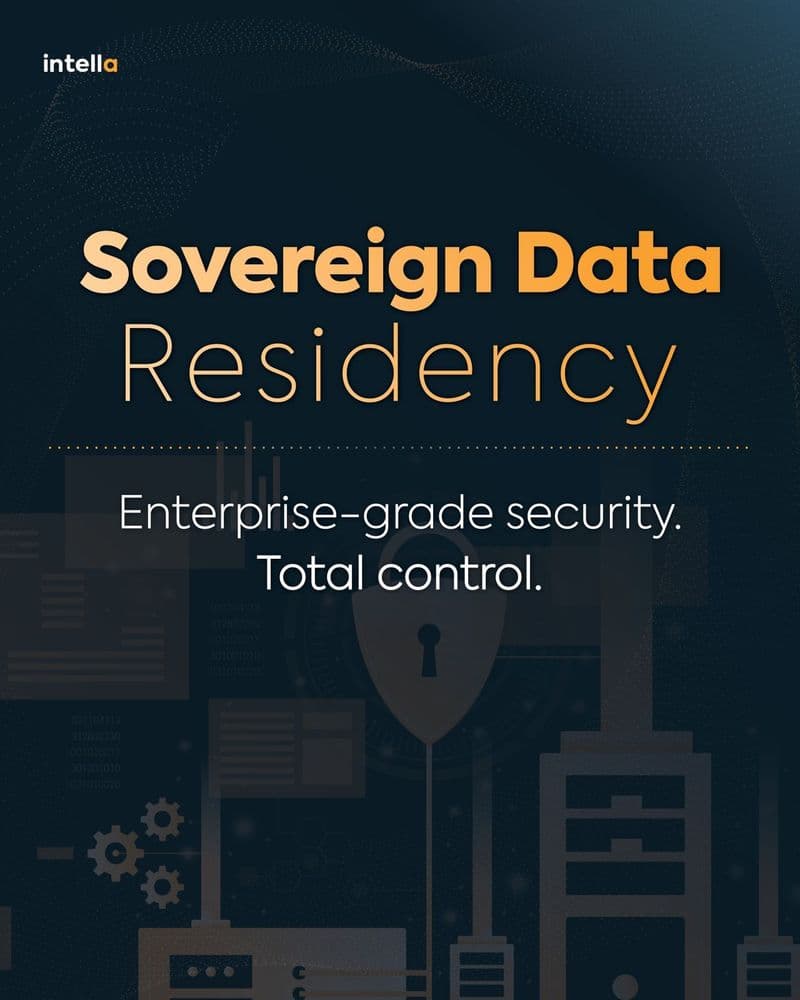
The only way to guarantee absolute data residency is to physically own the environment where the AI operates. Your AI vendor must offer a fully containerized On-Premise deployment. By deploying the Speech-to-Text (ASR) engine and the Analytics engine directly within your organization's internal firewalls, the sensitive audio never leaves your controlled environment. There is zero cross-border transfer, instantly satisfying both PDPL and SAMA (Saudi Central Bank) requirements.
2. Dialect-Native Speech Recognition
Compliance means nothing if the technology doesn't work. Your AI must be natively built for the region. Instead of translating Arabic to English and back again, the system must process Gulf and Saudi dialects natively. This ensures that when an automated Quality Assurance (QA) system audits a call for compliance, it doesn't flag false positives simply because it misunderstood local slang.
3. Automated Auditing and Access Controls
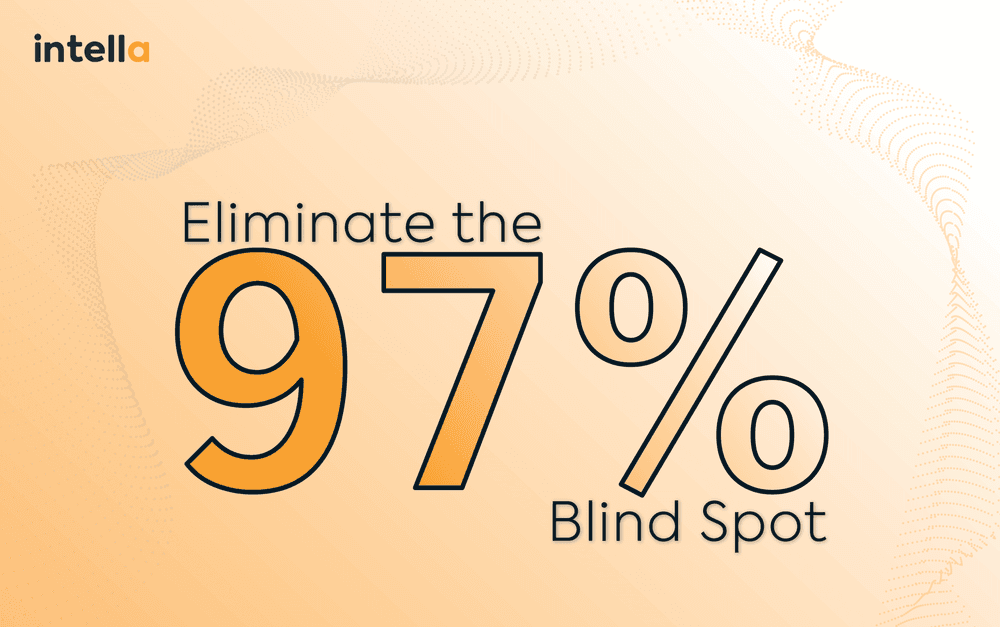
Under NDMO standards, you must be able to prove who accessed what data and when. Your call center analytics platform must include strict Role-Based Access Controls (RBAC). Furthermore, by shifting from manual QA (where humans listen to 3% of calls) to 100% automated AI auditing, you eliminate human bias and drastically reduce the number of internal staff exposed to sensitive customer information.
intella's Approach to Sovereign Intelligence
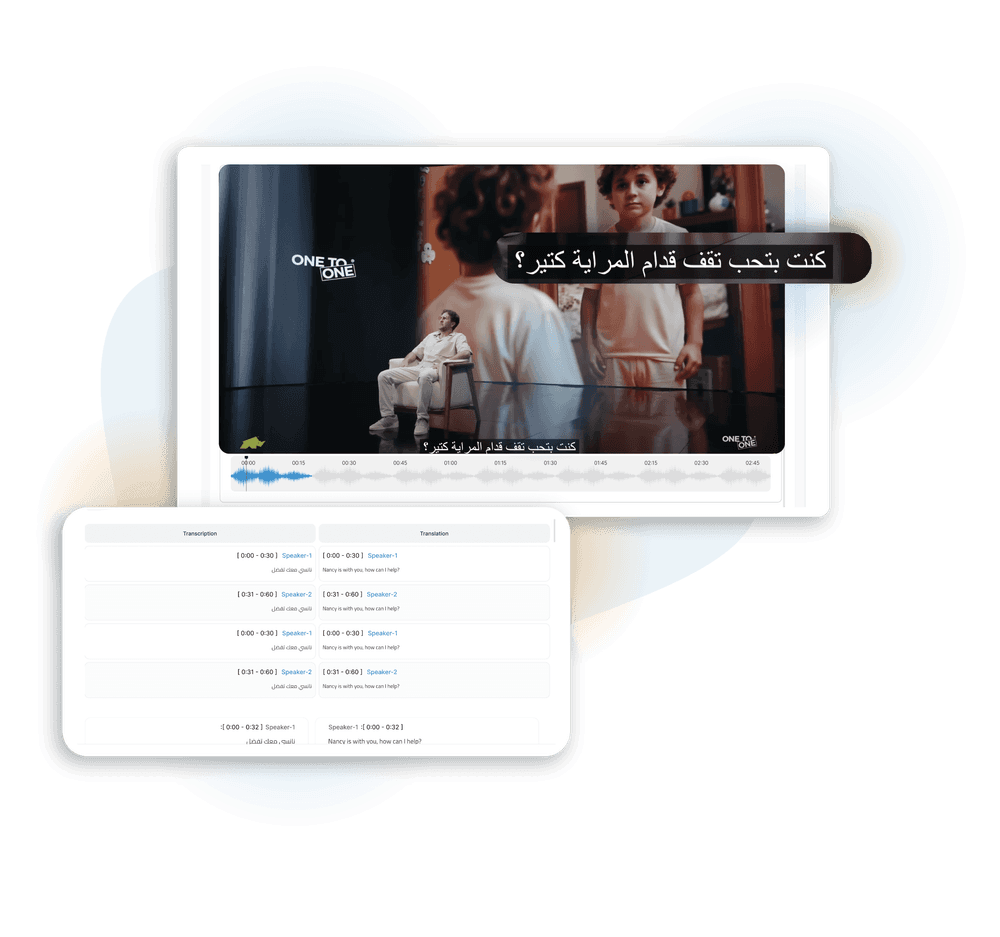
At Intella, we understand that for enterprise clients in banking, government, and telecommunications, data residency is non-negotiable. We built our core engines, intellaVX (Speech-to-Text) and intellaCX (Voice Analytics), specifically to solve the security deadlock in the MENA region.
Total Sovereignty: We deploy our models natively on-premise or within approved local private clouds. Your data remains yours. We never use your proprietary voice data to train our public models.
Unmatched Accuracy: Because we built our models from the ground up for the Arab world, we achieve a 95.73% accuracy rate across 25+ Arabic dialects, outperforming global giants in high-noise call center environments.
By integrating intella's products, Saudi enterprises can transform their customer interactions from hidden "dark data" into actionable, strategic insights, all while maintaining bulletproof compliance with the Kingdom's data protection laws.